

Why forward-thinking HR and Ops leaders are treating employee mobility as a core supply chain metric, not an administrative line item.
Ask any Operations Manager what keeps them up at night, and you’ll usually hear about supply chain delays, equipment uptime, or shift coverage. But ask them why a shift started 20 minutes late on a Tuesday morning, or why turnover spiked in a newly opened fulfillment center, and the answer often leads back to something far simpler:
People couldn’t reliably get to work.
For years, organizations have categorized employee transportation as a passive fringe benefit or an administrative nuisance. It was treated like gym memberships or office snacks something nice to offer, managed via static subsidies, monthly transit passes, or a couple of loosely routed charter buses.
That model is broken. In today’s distributed, round-the-clock economy, employee transportation isn’t a benefit. It’s an operations challenge.
The Hidden Operational Friction of the Commute
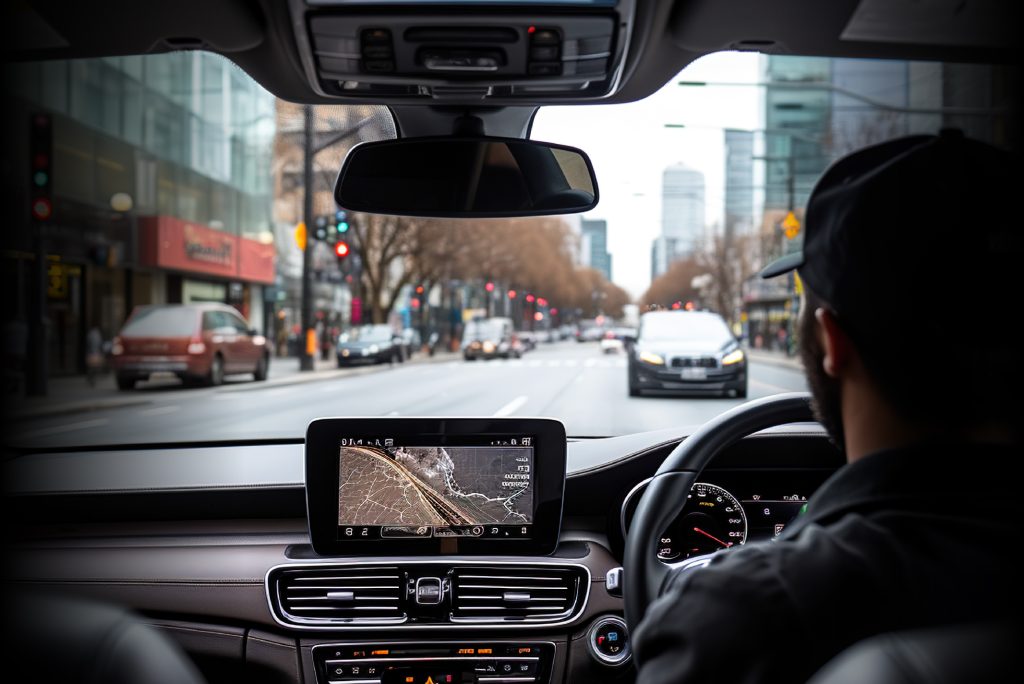
When transportation fails, operations break down. The impact is rarely confined to a single late arrival; it ripples across the entire organization.
1. Shift Latency and Capacity Bottlenecks
In manufacturing, logistics, healthcare, and customer support centers, shift starts are synchronized operations. If 10% of your workforce is delayed due to unreliable transit or traffic congestion, assembly lines stall, call queues back up, and operational throughput drops immediately.
2. Phantom Absenteeism and Attrition
High-friction commutes are one of the quietest drivers of employee turnover. When a worker spends two hours each way transferring between unreliable buses or paying a disproportionate chunk of their wage on ride-hailing app surge pricing, they start looking for another job. The cost of replacing that worker far outweighs the cost of optimizing their journey.

3. The “Commute Desert” Expansion
As commercial real estate prices rise in city centers, warehouses, tech hubs, and manufacturing facilities are increasingly built in peripheral zones. These locations are often “commute deserts”—areas poorly served by public transit. If your talent pool can’t reach your facility, your operational expansion hits a ceiling regardless of how modern the infrastructure is.
Viewing Mobility Through an Operational Lens
What happens when leadership shifts its perspective and starts viewing workforce mobility through the lens of supply chain management?
Instead of asking, “How much are we spending on transit passes?” operational leaders start asking:
- What is our total cost of commuter latency?
- How predictable is our shift arrival window?
- Are our route networks dynamic enough to adapt to shift demand variations?
When you treat commuting as an operational workflow, three key strategic shifts occur:
[ Traditional Approach ] [ Operational Mobility Approach ]
• Commute as an expense line • Commute as an operational dependency
• Static routes & fixed passes • Dynamic, demand-driven dispatching
• Siloed HR benefit • Integrated workforce & ops strategy
• Zero visibility into arrival times • Real-time tracking & capacity data
1. Route Optimization Meets Workforce Scheduling
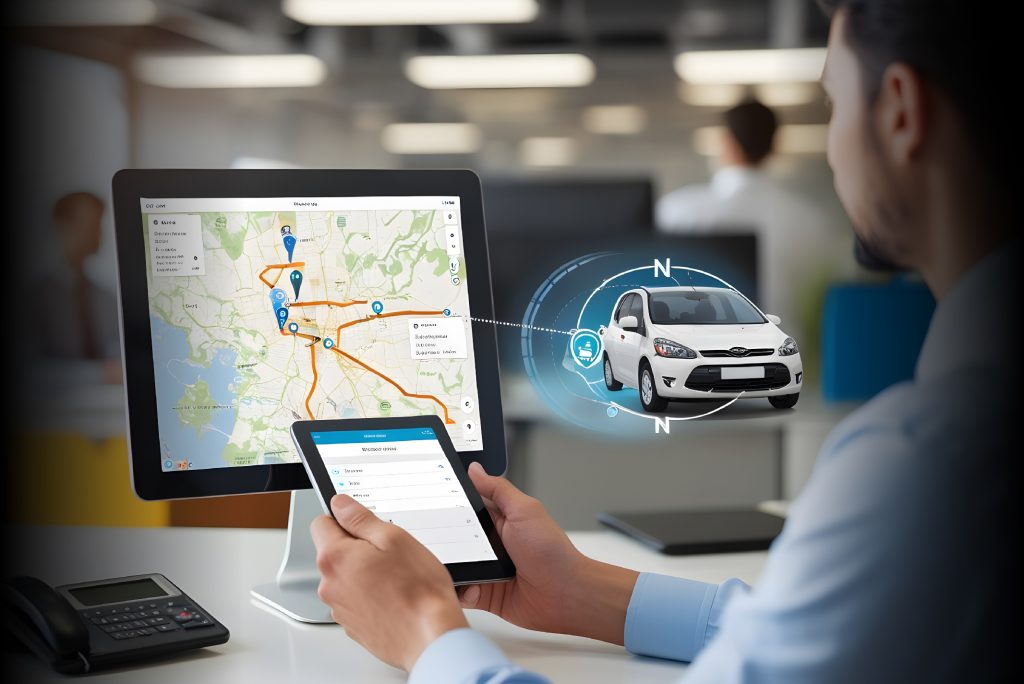
Static shuttles running fixed routes are inherently inefficient—they often run half-empty on off-peak hours and overcrowded during peak shift changes. Modern transportation operations leverage dynamic routing algorithms, aligning transport schedules directly with workforce management software. If a shift schedule changes, the routes automatically adjust to ensure zero wasted seats and minimum transit time.
2. Real-Time Predictability
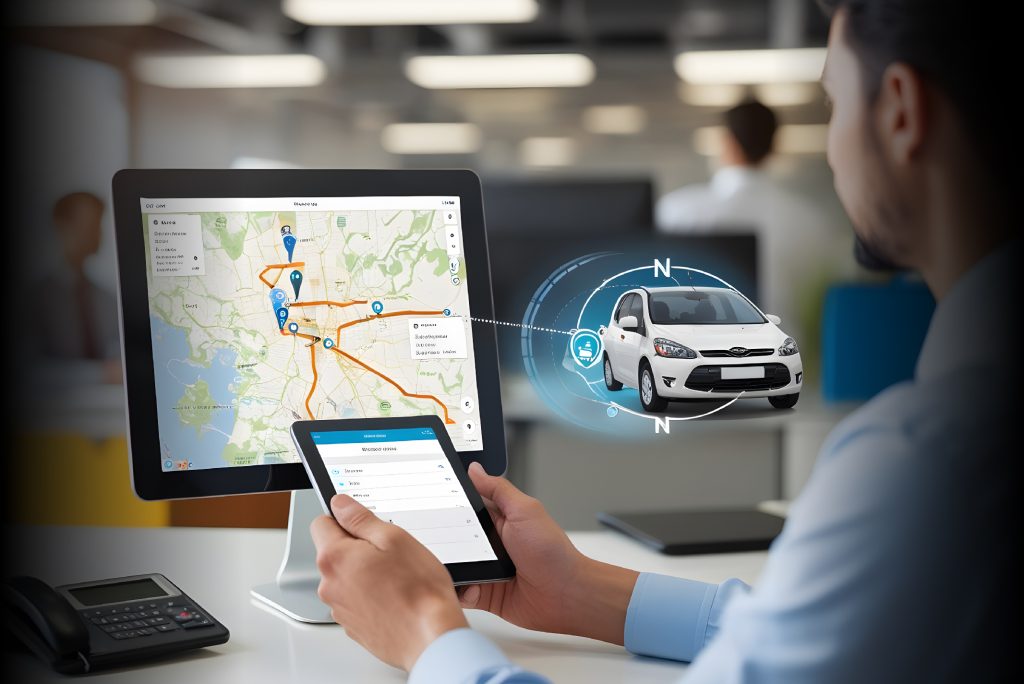
Just as logistics managers track freight containers in real time, site operations teams require real-time visibility into incoming workforce transport. Knowing that 50 technicians are five minutes away allows shift supervisors to prep workspaces ahead of time, eliminating idle setup time.
3. Data-Driven Site Planning
When expanding or opening new facilities, smart companies map candidate residential clusters against commuting time corridors before signing leases. Transport data becomes a core factor in site selection, ensuring the business can continuously source and retain local talent.
The Strategic ROI of Solving the Commute
Optimizing workforce mobility goes beyond fixing logistics—it delivers tangible business metrics:
- Lower Unplanned Downtime: On-time arrival rates stabilize, eliminating shift start delays.
- Broader Talent Access: Shuttle networks draw talent from broader geographic zones, solving local labor shortages.
- Improved Retention: Reducing daily commute stress directly correlates with higher employee lifetime value and lower recruiting costs.
- ESG and Sustainability Alignment: Consolidating hundreds of single-occupancy vehicle trips into optimized, shared EV or hybrid routes provides measurable carbon offset data for corporate sustainability reporting.
Moving Forward: Operationalizing Mobility
If your company relies on a physically present workforce whether on a factory floor, in a warehouse, or inside an operational hub, it’s time to pull transportation out of the “perks” drawer and place it on the operations dashboard.
Start by evaluating your current state:
- Audit arrival variance: How many shift delays are directly tied to transport issues?
- Map your workforce: Do you know where your employees are commuting from, and how long it takes them?
- Connect HR and Ops: Ensure your facility managers, operations heads, and HR teams share accountability for commuter reliability.

Transform Your Commute Operations with Carzonrent
Solving corporate mobility challenges requires more than just vehicles—it takes tech-driven infrastructure, intelligent route planning, and fleet operations built for enterprise scale.
As a pioneer in enterprise mobility, Carzonrent provides tech-enabled Employee Transportation Services (ETS) designed to turn complex commuter logistics into a predictable operational advantage. From dynamic route optimization and automated shift tracking to EV fleet integration and strict safety compliance, Carzonrent helps organizations minimize downtime, lower commuting friction, and scale operations seamlessly.
Ready to streamline your workforce mobility and boost operational efficiency? Explore Carzonrent Corporate Mobility Solutions today and unlock seamless transportation for your enterprise.
